
Survey
Energy security overtakes climate among energy leaders
ONS 2026 attendees name political instability, energy security and climate change as the three biggest challenges facing the international community. For the first time, energy security ranks ahead of climate change, and most companies have already started acting on supply risk.
Survey
Energy security overtakes climate among energy leaders
ONS 2026 attendees name political instability, energy security and climate change as the three biggest challenges facing the international community. For the first time, energy security ranks ahead of climate change, and most companies have already started acting on supply risk.

For the third time, ONS Foundation has conducted a survey together with RENAS and Circular Norway, mapping how ONS attendees view the challenges involved in the transition to a circular economy.
The most significant finding this year is a clear rise in the share who list energy security among their three biggest challenges, from 36% to 47%.
Supply chains enter the top four
Another finding is that disruptions to global trade, logistics and supply chains enter in fourth place out of all 17 response options, cited by 35%. The option was included in the survey for the first time this year, which means there are no figures from 2022 or 2024 to compare with. What the result does show is that supply chain risk is now weighing on respondents, close behind the long-standing top three issues.
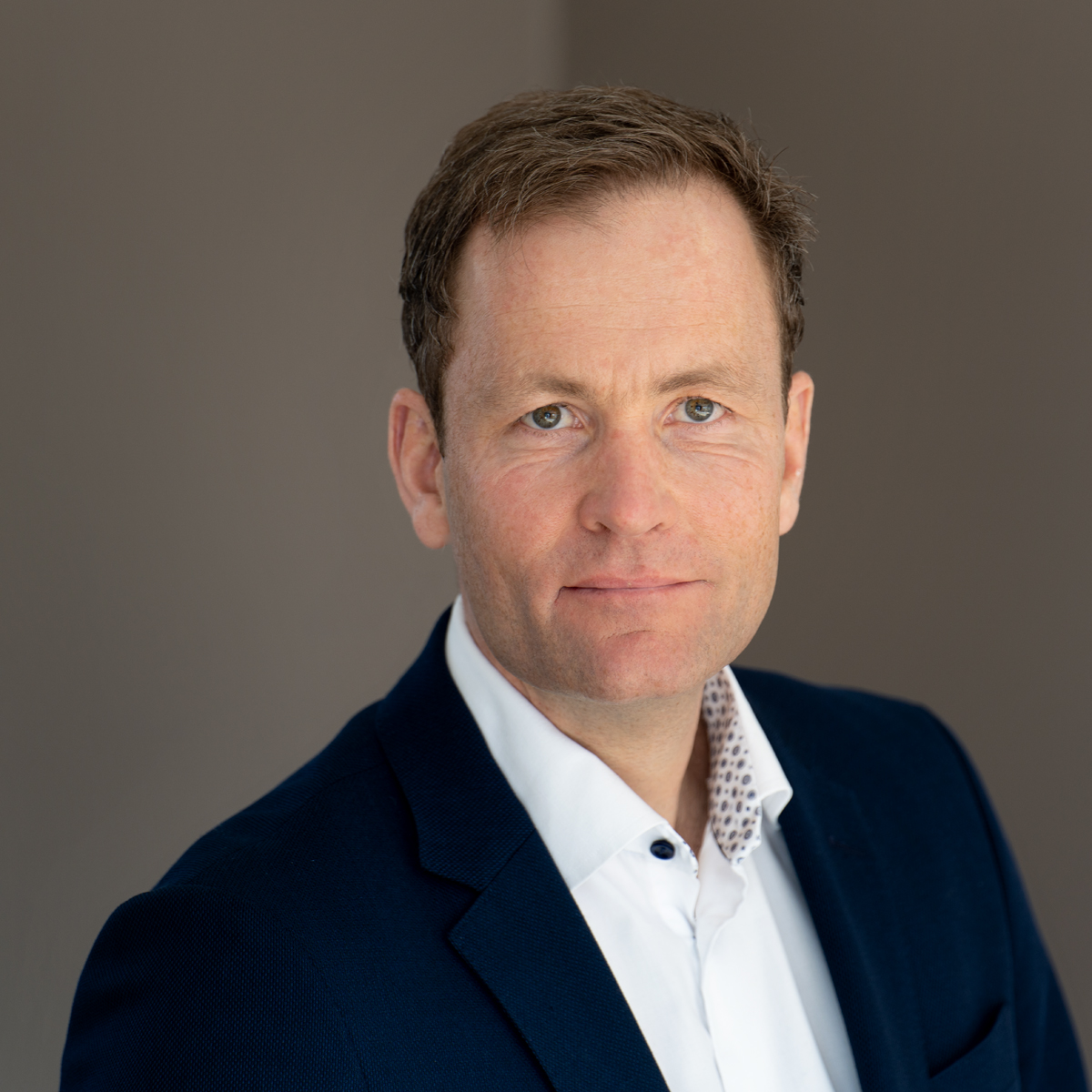
"This survey shows that the context around circular economy is changing. Political instability, energy security and vulnerable supply chains are moving up the agenda. Circular economy is therefore no longer just a climate strategy – it is becoming a preparedness strategy. Keeping critical products, components and materials in circulation can reduce dependency and strengthen resilience," says Alexander Christiansen, CEO of Circular Norway.
From attitude to action
This year we also asked what measures companies have taken themselves. Encouragingly, 86% have taken at least one. More than half have carried out risk assessments in their value chain, and around half have changed how they view security of supply.

"This connects well with the message on our stand at ONS this year, where we show how knowledge, preparedness and circular strategies both improve security and make economic sense," states Bjørn Arild Thon, CEO of RENAS.
The gap in investment decisions
Despite these risk assessments, only 28% of respondents say their company has changed its ROI targets to include preparedness and security measures. In other words, mapping risk has become common practice, but far fewer have let it shape which projects actually get funded. The difference is clearest between large and small companies: those with 1,000 or more employees are more than twice as likely as those with fewer than 250 to have made that change (42% vs 17%).
Support remains high
Support for the transition remains high. 91% support a global shift to a circular economy, essentially unchanged from 89% in 2024, and 88% say it should be a top priority for the energy industry.

“Geopolitics, climate and energy security were among the key issues at this year’s Strategic Conference. In line with previous surveys, this 2026 research shows that energy industry leaders and decision-makers continue to see the transition to a circular economy as both important and a top priority. We are confident that the ONS conferences, exhibition and thousands of opportunities to be challenged and inspired across our meeting place will help accelerate this transition,” says Leif Johan Sevland, President and CEO of the ONS Foundation.
Key findings
Top global issues: Political instability (57%), energy security (47%) and climate change (43%) are the top three issues facing the international community. Energy security has moved ahead of climate change for the first time, up from 36% in 2024. Disruptions to global trade, logistics and supply chains, a new response option in 2026, was cited by 35%.
Company action on resource security (new in 2026): 57% say their company has performed risk assessments in the value chain and 50% have changed how they view security of supply. 41% have diversified sourcing, while 28% have changed ROI targets to include preparedness and security. Only 14% say none of these apply.
Large companies are further ahead: Companies with 1,000 or more employees are more than twice as likely as those with fewer than 250 to have changed ROI targets to include preparedness and security (42% vs 17%).
Support for the circular economy: 91% support transitioning to a circular economy globally, up slightly from 89% in 2024. 88% say it should be a top priority for the energy industry, essentially unchanged from 2024.
Influence in the transition: Government and industry regulators (66%), investors (43%) and politicians (37%) are seen as the groups with most influence to help the energy industry make the transition.
Method
The ONS Foundation, RENAS and Circular Norway conducted a survey from 12 to 24 August 2026 among registrants and participants of the ONS 2026 conference (n=161). The main objective is to understand how conference attendees and opinion leaders view issues related to the energy industry transitioning to the circular economy. Respondents could pick up to three issues, so totals add to more than 100%. The overall margin of error is plus or minus 8 percentage points at the 95% confidence interval. Comparisons are made to similar surveys conducted at ONS 2024 (n=200) and ONS 2022 (n=440). Question wording sometimes varies between years.
Contact
For the full report or further information, please contact:
Anja Ronesen, RENAS, +47 913 58 527, anja.ronesen@renas.no
Ellen Høvik, Circular Norway, +47 918 61 822, ellen.hovik@circularnorway.no
About the organisations behind the survey
The ONS Foundation is a non-profit organisation facilitating discussions and collaboration on energy, technology and innovation. Since 1974, ONS in Stavanger has been one of the world's leading meeting places for the energy industry.
RENAS is Norway's leading facilitator for end-of-life recycling of products and a catalyst for companies driving the circular economy. Our vision is to move from end-of-life recycling to continuous life cycles.
Circular Norway helps Norwegian companies and municipalities transition to a circular economy through consultancy, practical tools and business development, including circular economy requirements in the taxonomy and CSRD.